
Spunicunifait (their name taken from a nonsense word used by Mozart) perform these six quintets with flexibility and easy athleticism
Formed by string players from some of Europe’s leading orchestras and ensembles specifically to give historically informed performances of Mozart’s string quintets, Spunicunifait takes its name from a nonsense word used by Mozart in one of his letters, the meaning of which remains a mystery. “We wanted to make a recording that would approach the quintets with the same reverence that [Mozart’s] quartets receive,” they say, and that approach results in performances of the six works that have transparency, flexibility and easy athleticism. There are the five well-known mature quintets, as well as the early B flat work K174, for which Spuncunifait play two versions of its finale. All are composed for a quintet of strings with two violas (unlike Boccherini’s quintets and Schubert’s famous C major quintet, which employ two cellos).
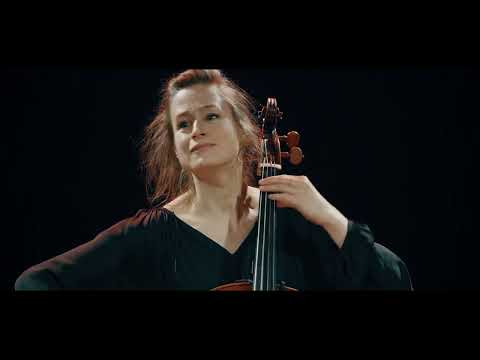
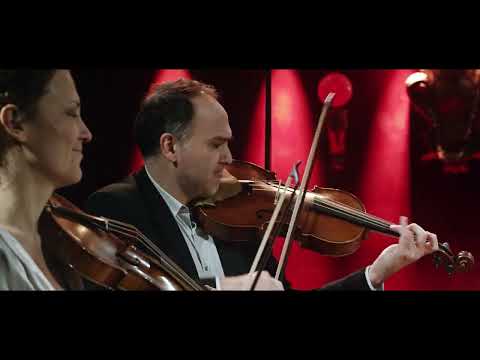
The players – Lorenza Borrani and Maia Cabeza (violin), Max Mandel and Simon Von Rahden (viola) and Luise Buchberger (cello) – use a mix of 18th-century instruments and 21st-century copies; the recorded sound is close and involving. Not all aspects of the group’s approach will be to all tastes: vibrato is very sparingly used, and its absence can often be starkly effective, but the tendency to link notes in phrases with tiny glissandi can sometimes seem a little overdone. These are minor quibbles, though. The performances reveal the group’s musicality and deep understanding of these under-appreciated works in every bar.
Andrew Clements, The Guardian, Thursday 5 September 2025.
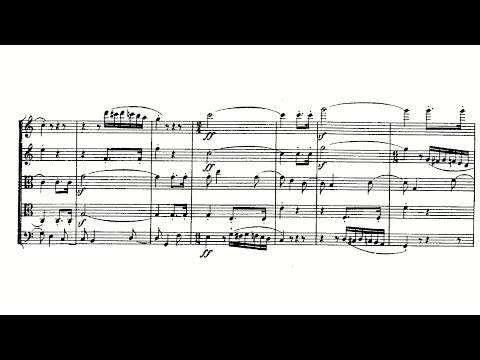
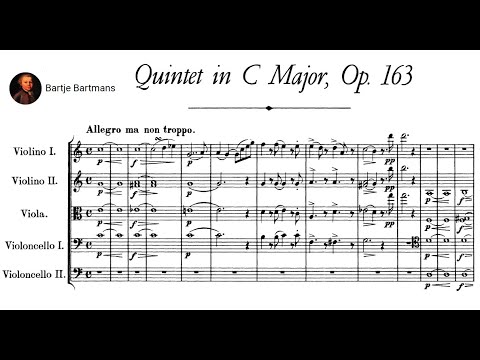
Here are 2 YouTube videos featuring these quintets played by Spunicunifait:
Formed by string players from some of Europe’s leading orchestras and ensembles specifically to give historically informed performances of Mozart’s string quintets, Spunicunifait takes its name from a nonsense word used by Mozart in one of his letters, the meaning of which remains a mystery. “We wanted to make a recording that would approach the quintets with the same reverence that [Mozart’s] quartets receive,” they say, and that approach results in performances of the six works that have transparency, flexibility and easy athleticism. There are the five well-known mature quintets, as well as the early B flat work K174, for which Spuncunifait play two versions of its finale. All are composed for a quintet of strings with two violas (unlike Boccherini’s quintets and Schubert’s famous C major quintet, which employ two cellos).
The players – Lorenza Borrani and Maia Cabeza (violin), Max Mandel and Simon Von Rahden (viola) and Luise Buchberger (cello) – use a mix of 18th-century instruments and 21st-century copies; the recorded sound is close and involving. Not all aspects of the group’s approach will be to all tastes: vibrato is very sparingly used, and its absence can often be starkly effective, but the tendency to link notes in phrases with tiny glissandi can sometimes seem a little overdone. These are minor quibbles, though. The performances reveal the group’s musicality and deep understanding of these under-appreciated works in every bar.
Andrew Clements, The Guardian, Thursday 5 September 2025.
Here are 2 YouTube videos featuring these quintets played by Spunicunifait:


Comment