
LvB's piano sonata no. 3 has in the middle of its coda (1st mvt) what's considered a "cadenza." The section as played by Igor Levit (great version btw) starts here at 8:25 until 8:50 (when the 1st theme returns):

What confuses me is why that particular sliver is considered a "cadenza." How can a solo work contain one? A cadenza by definition is when the soloist gets to show off. So one could easily say the whole mvt (if not the whole work) is one big cadenza, no? Any clarification greatly appreciated!
BTW, I understand this sonata is thought of as Beethoven's FIRST true virtuosic work.
What confuses me is why that particular sliver is considered a "cadenza." How can a solo work contain one? A cadenza by definition is when the soloist gets to show off. So one could easily say the whole mvt (if not the whole work) is one big cadenza, no? Any clarification greatly appreciated!
BTW, I understand this sonata is thought of as Beethoven's FIRST true virtuosic work.

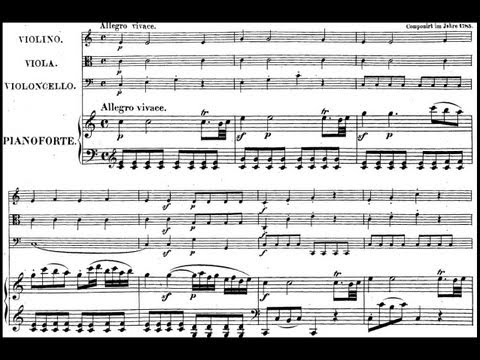
 What would that melody (motif? theme?) be called in the context of the sonata? A Transition? I didn't expect it so early after reading the liner note description.
  It's like he needed to knock out two as warm up to something huge?
 But thank you for your contribution. I'm gonna review your post again when I get to the Pathetique.
Comment